Why Casual Games Are Taking Over the Strategy Games Market: The Shift in Gaming Trends
In the vast landscape of gaming, a notable trend has emerged: casual games are steadily dominating the market that was once heavily dominated by strategy games. This shift is more than just a change in gaming preferences; it reflects how players' needs and interests have evolved over time. Let's dive deeper into this phenomenon and understand the underlying reasons.
The Rise of Casual Games
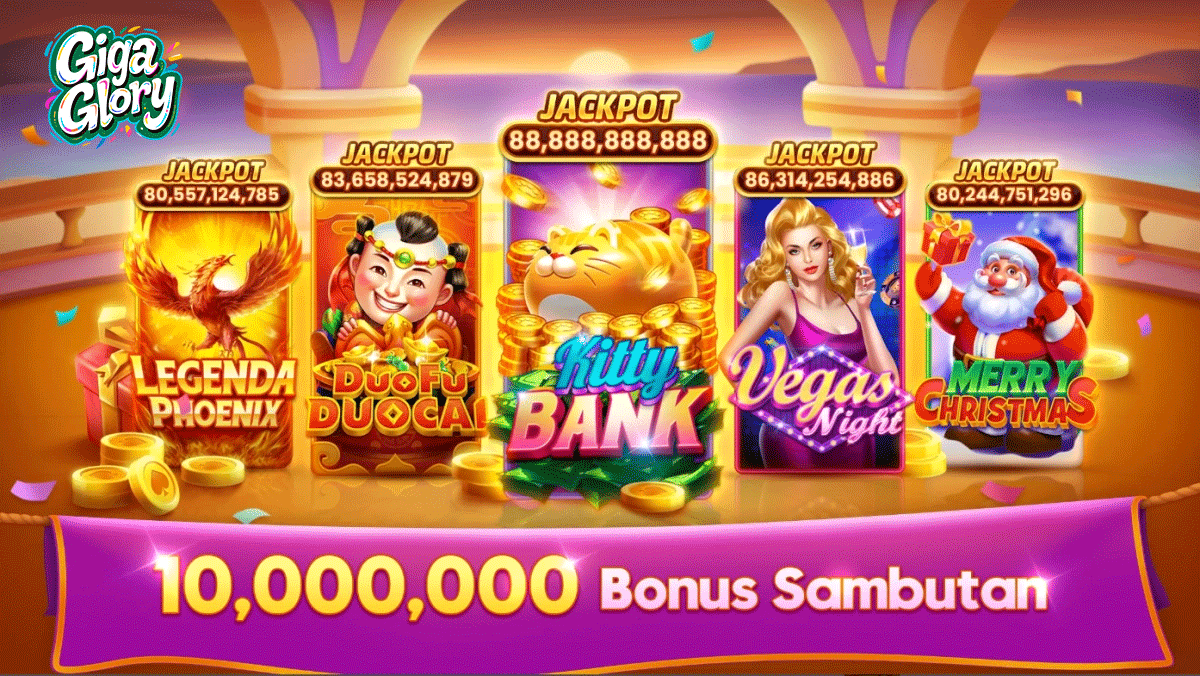
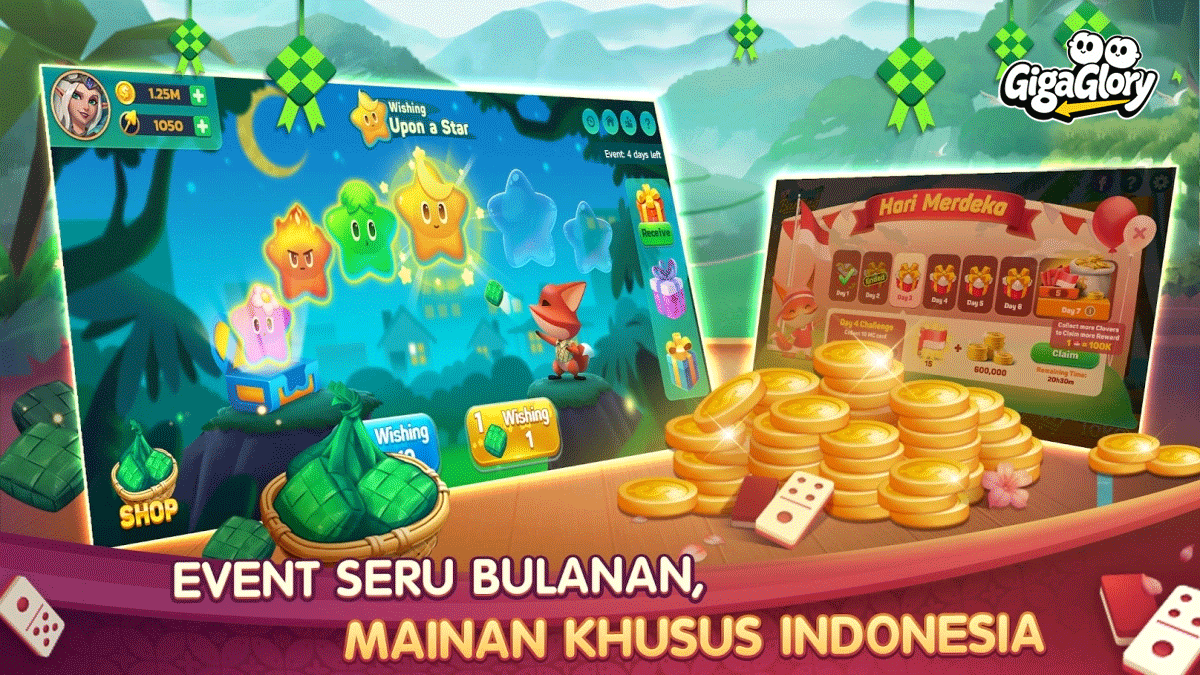
It's essential to define what we mean by casual games. These are typically designed to be easy to learn and play, allowing players to enjoy them without a hefty time commitment. Unlike strategy games, which often require intricate planning and prolonged engagement, casual games focus on quick, rewarding experiences. Here are a few characteristics that make them appealing:
- Accessibility: Casual games are often available on mobile platforms, making them easy to play anywhere.
- Instant Gratification: Players can enjoy instant feedback and rewards, keeping them engaged without long-term investment.
- Social Connectivity: Many casual games emphasize social interactions, allowing friends to connect and compete.
The table below illustrates some popular casual games and their key features:
| Game Title | Platform | Key Feature |
|---|---|---|
| Candy Crush Saga | Mobile | Match-3 Gameplay |
| Among Us | Mobile/PC | Social Deduction |
| Subway Surfers | Mobile | Endless Runner |
Why Strategy Games Are Losing Appeal
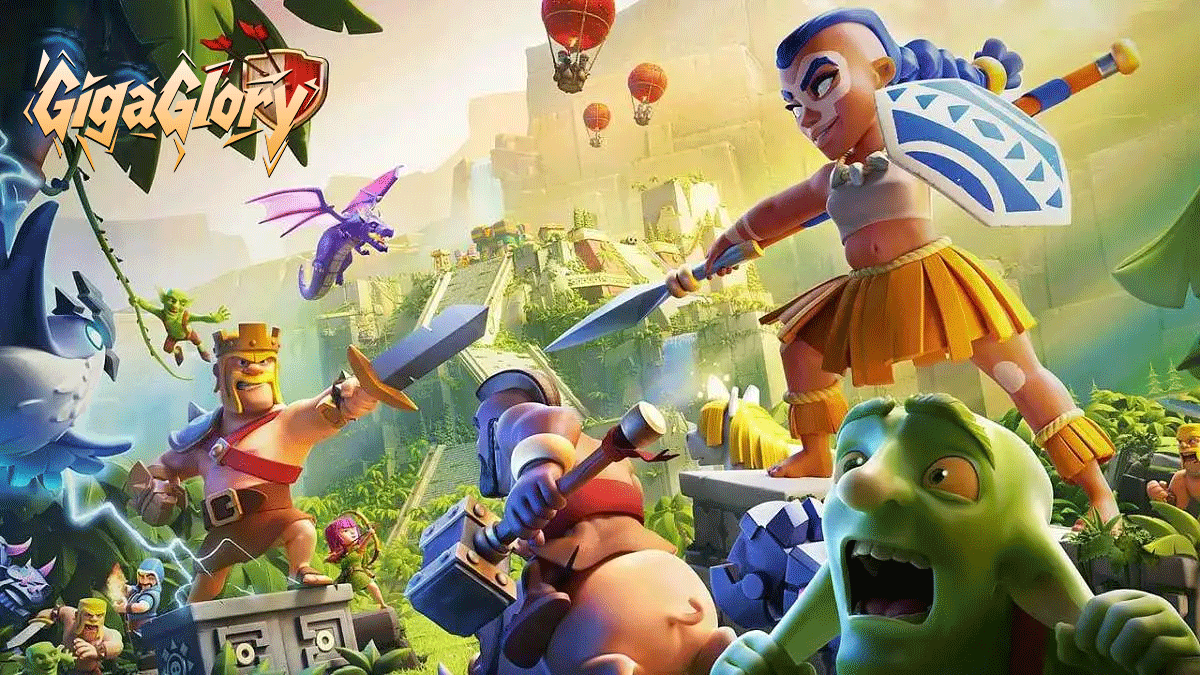
While strategy games like "Clash of Clans" have a dedicated fan base, their complexity and demanding time commitment can deter potential players. Here are some factors contributing to this decline:
- Time Consumption: Strategy games often require hours of gameplay, which many modern players find daunting.
- Steep Learning Curve: The intricate mechanics in strategy games can be intimidating for casual players.
- Limited Social Aspect: Many strategy games lack the social connectivity that appeals to casual gamers.
This is particularly relevant when considering the growing player demographic who favor shorter gaming sessions, typically occupied professionals or busy parents. These gamers prefer to pick up a game for a few minutes during their breaks, which casual games facilitate perfectly.
The Connection Between Trends and Players' Preferences
Trends in various industries often reflect a broader change in consumer behavior. Currently, the gaming community is leaning towards more relaxed gaming experiences. Casual games satisfy this need while offering enough variation to keep it interesting. A game like "Clash of Clans" might still attract a core group, but it's becoming increasingly clear that casual experiences are where the momentum is headed.
<Key Takeaways
- The casual gaming sector is thriving due to its accessibility and instant rewards.
- Modern players prefer games that offer shorter time commitments.
- There is a significant shift towards games that promote social interaction.
Conclusion
The battle between casual and strategy games isn't just a matter of numbers; it speaks volumes about the desires and lifestyles of today’s gamers. Casual games are not only taking over; they are reshaping the entire gaming landscape. Developers need to recognize this trend if they want to remain relevant in a market that’s evolving faster than ever. As we move forward, understanding and adapting to these shifts will be crucial in keeping players engaged and satisfied.